



Running a small business in Toronto can feel like trying to stay upright on Queen Street during a slushy February morning. You can move fast, but one wrong step sends everything sideways. Bookkeeping is one of those steps. When it’s ignored, the whole operation gets unsteady. When it’s handled properly, everything else becomes easier: planning, taxes, cash flow, hiring, and even sleep.
If you’re running a business here in Toronto, bookkeeping isn’t just a legal requirement. It’s the backbone of every smart financial decision you’ll make. So let’s break it down and talk about how to keep your books clean, accurate, and CRA-ready without losing your mind in the process.
Why Bookkeeping Matters for Toronto Small Businesses

Here’s the thing. Most business challenges boil down to money decisions. Can you afford a new employee? Should you expand? Is that contractor overbilling you? Is cash flow about to dip right when rent hits?
Without organized books, you’re just guessing.
Good bookkeeping gives you clarity. It keeps you compliant with CRA rules. It helps you avoid penalties, missed deductions, and that stomach-dropping feeling you get when you realize tax season is around the corner and your receipts are scattered across three winter jackets and the glove box of your car.
Toronto owners also deal with unique pressures. Higher rent. Higher competition. Seasonality in some industries. Local payroll requirements. And, of course, the ever-changing expectations from lenders and investors. Clean books help you stay credible. Banks, grant programs, and even landlords take you more seriously when your numbers make sense.
What CRA Expects From You

A lot of new entrepreneurs assume the CRA only cares about taxes. That’s not quite true. They also care about how you track and store your records.
Here’s what that really means if you run a business in Canada:
- You must keep complete and accurate records of every dollar that comes in and out.
- You must store those records for at least six years.
- Your records must be accessible, readable, and audit-ready.
The CRA doesn’t care whether you use paper files, PDFs, cloud storage, or a shoebox. They do care that the information is complete, consistent, detailed, and available when they ask for it.
Toronto business owners who use digital tools often have an easier time because CRA accepts electronic records. Apps like Dext, Hubdoc, or even simple smartphone scanning apps help you stay compliant without drowning in paper.
The consequences of poor recordkeeping can include lost deductions, missed refunds, delayed filings, penalties, or, worst case, an audit.
Good bookkeeping prevents all that.
Setting Up Your Bookkeeping System the Right Way

Most business owners rush into operations and leave bookkeeping at the last minute. But your business deserves much better. Setting things up properly now saves hours, stress, and money later.
Choose a bookkeeping method that makes sense
Here’s the simplest way to understand your options:
- Cash-basis accounting tracks money when it moves in real life.
- Accrual accounting tracks money when it’s earned or owed, even if cash hasn’t moved yet.
Most very small businesses like cash-basis because it’s simple and predictable. But accrual gives you a more accurate picture of your business, especially if you invoice clients, run inventory, or have ongoing contracts.
The CRA accepts accrual basis for most business and cash-basis for a few exceptions.
Pick software that fits your workflow
Toronto entrepreneurs tend to prefer cloud software because it syncs with Canadian banks quickly and makes tax time less painful. The most common tools here are QuickBooks Online, Xero, Wave, and FreshBooks. They all connect to major banks like TD, RBC, BMO, and Scotiabank.
The goal isn’t to choose the fanciest tool. It’s to choose the one you’ll actually use.
Create a chart of accounts that reflects your business
A chart of accounts is basically the categories for your income, expenses, assets, and liabilities. The default templates are fine, but customizing them for your industry helps you understand where your money is really going.
For example:
- A Toronto café may track food costs, beverages, waste, merchant fees, and utilities separately.
- A contractor may split expenses by materials, subcontractors, permits, and vehicle costs.
- A freelancer might track software, home office expenses, and travel.
This structure becomes the foundation of all your reporting. Take the time to get it right.
Daily, Weekly, and Monthly Bookkeeping Habits That Actually Work

Consistency matters more than sophistication. You don’t need to spend hours a day. You just need to build habits that prevent backlog.
Daily tasks
Record sales. Capture receipts. Check for unusual charges. A few minutes a day keeps you aware of what’s happening with your cash.
Weekly tasks
Match your transactions. Send invoices. Pay bills. Move receipts into your digital folders. Make sure your bank feeds are syncing properly.
Monthly tasks
Reconcile your accounts. Review your profit and loss statement. Look at cash flow. Update your budget. This is where you catch mistakes early and avoid tax-season panic.
A monthly rhythm is especially important in Toronto, where rent and payroll can eat a huge portion of your cash flow. You want to catch shortfalls early, not when your rent payment bounces.
How to Track Expenses and Keep Your Receipts Organized

If there’s one thing the CRA loves, it’s receipts. They want proof for every deduction you claim. Toronto business owners often lose money simply because they couldn’t find receipts at tax time.
Here’s how to make it easy:
Go digital
Snap photos of every receipt the moment you get it. Store them in a cloud folder or use a scanning app that pushes them directly into your bookkeeping software.
Separate personal and business finances
Once the two start bleeding together, your books become a guessing game. Open a dedicated business bank account and credit card. Toronto banks often offer small business packages with no-fee or low-fee options for new businesses.
Know what’s deductible
Common deductions in Canada include:
- office supplies
- software
- advertising
- vehicle use (if eligible)
- home office expenses
- meals and entertainment (with limits)
- equipment and tools
- professional services
- wages and subcontractor payments
Accurate categorization helps you avoid missing these.
Payroll Bookkeeping for Toronto Employers
Hiring in Toronto is expensive, and payroll bookkeeping isn’t something you want to wing. Canadian payroll rules are specific, and the penalties for mistakes can add up quickly.
As an employer, you’re responsible for calculating and submitting:
- CPP contributions
- EI premiums
- federal and provincial income tax
- vacation pay
- statutory holiday pay
- employer payroll taxes (like EHT in Ontario if you exceed the exemption)
Payroll software makes this far easier. QuickBooks Payroll, Wagepoint, and Knit are popular in Toronto because they automate CRA submissions and issue T4s at year-end.
If you pay contractors, make sure you’re classifying them correctly. Misclassifying a worker as a contractor when they should be an employee can trigger a review from the CRA or the Ontario Ministry of Labour.
How to Handle GST HST and Other Sales Taxes
If your business earns more than 30,000 in revenue in a 12-month period, you must register for GST/HST. In Ontario, that means charging 13 percent HST on most goods and services.
Your bookkeeping system should track:
- HST you collect
- HST you pay on expenses
- your net amount owing
- your filing due dates
Toronto businesses often run into two problems:
- They forget to set aside the HST collected and accidentally spend it.
- They fail to track input tax credits properly and end up paying more tax than necessary.
Good bookkeeping avoids both.
If you sell across provinces or online, things can get more complicated. Rules vary depending on what you’re selling and where your customers live. A bookkeeper who understands Canadian e-commerce tax rules can save you from nasty surprises.
Why Bank Reconciliation Matters More Than You Think
Bank reconciliation isn’t glamorous, but it’s one of the most important bookkeeping habits you can build. It’s the process of matching your bookkeeping records with your actual bank transactions.
Why it matters:
It catches fraud, double charges, missing deposits, and bookkeeping errors. Toronto businesses get hit with fraud and card disputes more often than you’d expect. Reconciliation is your early warning system.
Most bookkeeping software automates part of this process, but you still need to review the matches. Automation isn’t perfect. Human oversight keeps your financials clean.
Getting Ready for Tax Time in Canada
Tax season should not be a frantic hunt for receipts and missing invoices. If your bookkeeping is kept up throughout the year, tax time becomes mostly about reviewing, adjusting, and filing.
Here’s what a clean year-end looks like:
- All transactions are categorized.
- All accounts are reconciled.
- HST collected and paid is accurate.
- Payroll records are complete.
- Fixed assets and CCA categories are updated.
- Personal and business expenses are clearly separated.
Toronto accountants are busy from February through April. If you hand them a shoebox, expect delays and higher fees. Clean books save you both time and money.
Using Financial Reports to Make Smarter Decisions
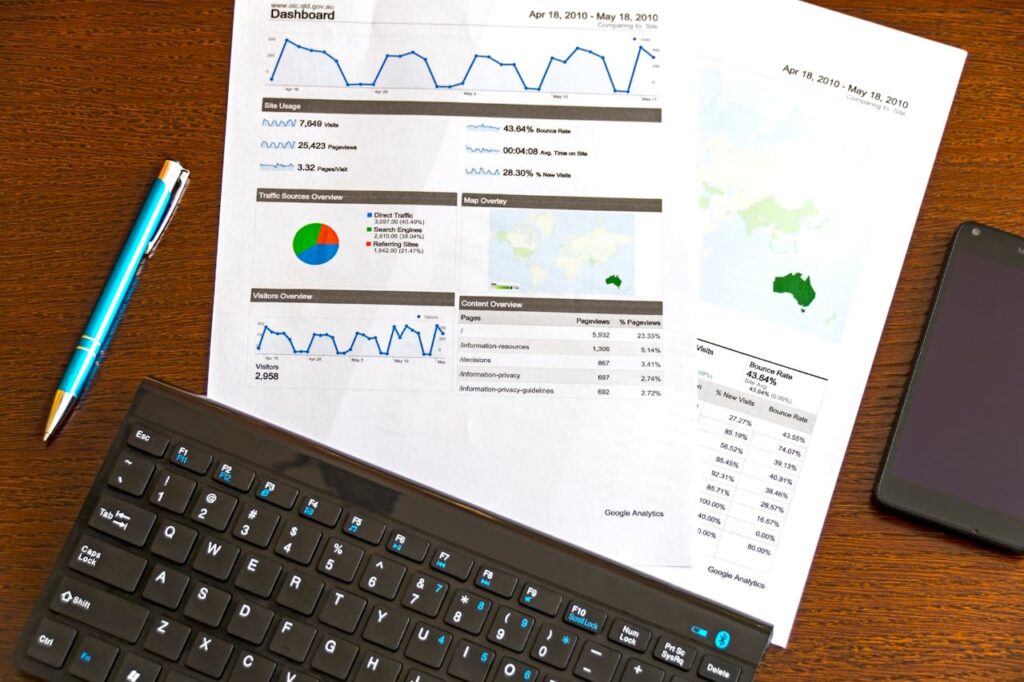
Your bookkeeping isn’t just about compliance. It’s also your map for running a stable, profitable business.
Three reports matter most.
Profit and loss statement
This shows whether your business is profitable. You can see whether your expenses are creeping up or whether revenue is growing faster than costs.
Balance sheet
This shows your financial position. It reveals debt, equity, assets, and liabilities. It’s essential if you’re planning to apply for financing or negotiate with suppliers.
Cash flow statement
This shows how money moves in and out. Toronto businesses with irregular sales cycles rely on this report to avoid cash crunches.
When you review these monthly, you start seeing patterns. You stop guessing. You make decisions based on data rather than stress or instincts.
Common Bookkeeping Mistakes Toronto Owners Make
Every accountant in the city can tell you stories about avoidable mistakes that cost business owners thousands. Here are the big ones:
- mixing personal and business finances
- waiting until year-end to do the books
- ignoring HST obligations
- relying entirely on software without reviewing transactions
- not tracking receipts
- forgetting about payroll source deductions
- misclassifying contractors and employees
Most of these are simple to fix when caught early. They get expensive when ignored.
When It’s Time to Hire a Bookkeeper
Here’s the honest truth. Every small business hits a point where doing your own books stops being efficient. That point usually arrives faster than you think.
You’ll know it’s time when:
- bookkeeping eats into time you should spend on sales or operations
- your HST filings feel stressful
- your accountant complains about your records
- you’re constantly behind
- you’re growing and need accurate monthly reporting
- you want help understanding your numbers, not just tracking them
A good Toronto bookkeeper isn’t just a data entry person. They act as your financial partner that help you stay compliant, organized, and informed. They save you money through better categorization, deductions, and planning. And they make tax time predictable instead of chaotic.
Bookkeepers in Toronto vary in price, but most charge a monthly fee based on transaction volume and services included. If you’re spending more than two or three hours a week on your books, hiring help usually pays for itself.

Dedicated Bookkeeping Team to help Your Growing Business.
Let’s Connect!
Final Thoughts
Running a small business in Toronto is demanding, but your bookkeeping doesn’t have to be. When you build simple, consistent habits, choose the right tools, and keep your records clean, everything else becomes easier. You make better decisions, avoid penalties and understand your financial health. And you free up time to do the actual work that earns money.
Good bookkeeping is not about perfection. It’s about clarity, consistency, and making sure your business stands on solid ground. Start improving your system today and your future self will thank you.